

What to Do When Kids Launch a DDoS Attack on Your Website
DDoS attacks have matured into a proper cybercrime industry. You can still find “stresser” services for hire with a simple search. But the most annoying attacks often come not from professionals, but from bored teenagers with too much free time and access to botnets.
Step One: Don’t Make Enemies
The best defense remains the same as in 2013 — try not to provoke large groups of people. Religious sensitivities, political hot takes, or general internet rudeness tend to attract unwanted attention. Politeness costs nothing and saves bandwidth.
Modern “Protection” Services
The first instinct for many is to hide behind a large CDN like Cloudflare. It’s relatively cheap and often works against amateur attacks. However, it comes with its own set of problems. Cloudflare has a habit of suffering spectacular outages that take entire swathes of the internet offline. Even when operational, its aggressive WAF rules frequently block legitimate users and researchers. Many developers have had to resort to creative workarounds (some might call them “hacking”) just to access their own repositories or services behind Cloudflare’s walls.
Other Options (and Their Trade-offs)
Dedicated DDoS protection providers offer scrubbing centers and behavioral analysis, but costs scale quickly with traffic volume. Hardware solutions remain expensive and complex. In most cases, the most effective immediate response is still working directly with your hosting provider or ISP to null-route malicious traffic or block offending IPs at the upstream level.
The Abuse Report Route
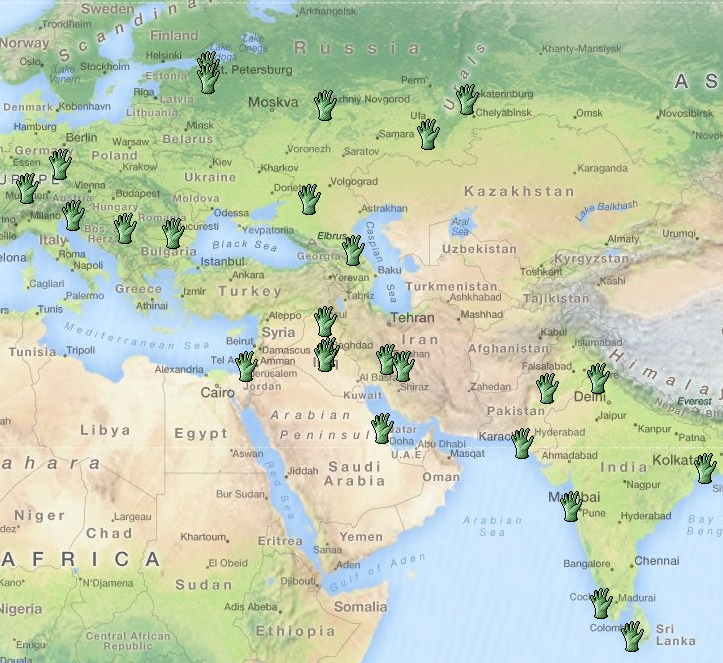
Many attacks originate from compromised machines. Collecting attacker IPs (via tcpdump or logs), performing WHOIS lookups, and sending polite but firm abuse reports to hosting providers remains surprisingly effective. Most legitimate providers prefer to clean up their networks rather than host botnet command servers.
2026 Perspective
The arms race continues. Attack tools get easier to use while “protection” layers add complexity and occasional self-inflicted outages. True resilience often comes from good architecture, proper rate limiting, and not depending on a single third-party service that can fail spectacularly at the worst possible moment.
At LightUpOn.Cloud we focus on building systems that are inherently more resistant to disruption through distributed design and direct control, rather than hoping external shields will hold forever.